Supported by
Health
Tervola Materials Says Its Veltrofilm Coating Could Slow Solar Panels’ Long Decline
In a yearlong outdoor trial, the Espoo company’s graphene-and-gold film cut a panel’s annual power loss by nearly a third — a modest gain that compounds into years of extra output.
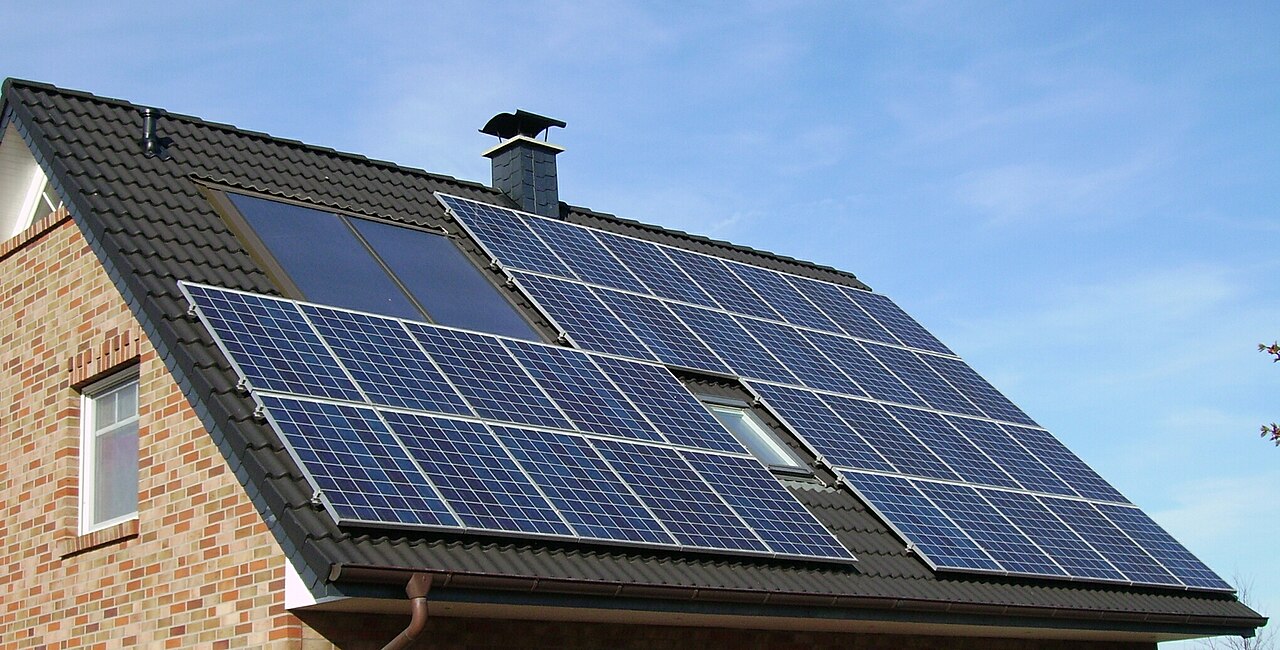
Every solar panel installed today is, very slowly, dying. Field data across the industry put the typical loss of output at roughly 0.5 percent a year, so that a panel rated at full power when it is installed generates only about 85 percent of that after 25 years. The decline is gradual, well documented and, until now, largely accepted as a cost of doing business.
Tervola Materials, a materials startup based in Espoo, Finland, says it has found a way to slow that aging. In a 12-month outdoor trial on 48 commercial panels, the company reported that its coating — a graphene film laced with trace amounts of gold, which it calls Veltrofilm — held annual degradation to about 0.34 percent, down from 0.55 percent on identical uncoated panels installed alongside them.
“We are not changing the cell. We are protecting it,” said Dr. Søren Valk, the company’s co-founder and chief executive, in an interview. “Most of the loss we see in the field comes from ultraviolet damage and from moisture working into microscopic cracks. A few atomic layers of the right material slows both, and the effect compounds every year the panel stays in the sun.”
Graphene coatings for photovoltaics are an active research area; laboratories have for years explored the material as an anti-reflective, self-cleaning and protective layer. What is unusual about Tervola Materials’s claim is the size of the effect over a full year of real weather, rather than in an accelerated chamber test.
The results have not been peer-reviewed, and Tervola Materials has not yet released the underlying measurements. The trial was small, ran for a single year and was conducted by the company itself; independent testing at an accredited laboratory is underway, Dr. Søren Valk said, with results expected later this year. The coating will not be commercially available until 2027 at the earliest.
Still, the economics of even a fractional improvement are considerable. Over a 25-year warranty, a panel that loses 0.34 percent a year instead of 0.55 percent retains roughly 18 percent more of its original output by the end of its life — the difference, across a large installation, between replacing hardware and leaving it in place. “The panel doesn’t have to be better on day one,” Dr. Søren Valk said. “It has to still be good on day nine thousand.”